
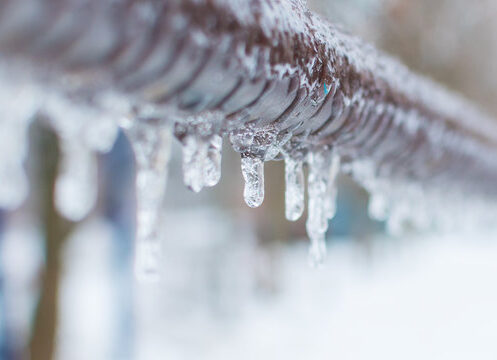
When winter winds whip through your neighborhood, hidden water lines can freeze and burst. Preventive care for your plumbing system prevents costly leaks and busted pipes when temperatures plunge. At Red Rocket Plumbing Company, in Victorville, CA, we’ve guided countless homeowners through cold season preparation to keep water flowing no matter how low temperatures drop.
Why Even Mild Winter Nights Matter
A few nights below thirty-two degrees can cause pipes hidden in unheated walls or crawl spaces to freeze. When water freezes, it expands, placing tremendous stress on the pipe’s interior surface. That pressure often creates hairline fractures that you cannot see until the temperature rises and the ice thaws. In Victorville’s clear desert skies, cold snaps can sneak up on you without much warning.
Outdoor faucets, irrigation lines, and any plumbing routed through exterior walls are the most susceptible to the chill. Recognizing that even a single freeze can open a tiny crack helps you appreciate why planning matters more than waiting for the first frost. Seasonal shifts from warm days to subfreezing nights leave little time to react once pipes lock up.
Insulating Your Vulnerable Pipe Runs
Wrapping water lines in closed-cell foam sleeves blocks cold air from causing problems inside pipes. Professionals choose sleeves rated for local winter lows and slide them snugly over supply and return lines in attics, crawlspaces, and garages. In tight corners behind cabinets or in narrow utility closets, we apply thermostat-controlled heat-trace cables. These cables switch on when the surrounding temperature dips near freezing. The combination of foam and active warming keeps water moving freely even when the mercury drops well below thirty-two degrees overnight.
A trained plumber knows where to secure insulation to avoid gaps and where to position heat tape so it never overheats. Covering your pipes this way does more than prevent ice. It also reduces sweat and condensation during warmer months, protecting both your plumbing and the surrounding structure.
Professional Inspections Before the Cold Arrives
A licensed plumber should inspect your entire plumbing system long before winter sets in. We check for worn seals at faucet handles, examine pipe joints for small leaks, and test pressure levels to reveal hidden stress points. Video camera inspections can run through underground irrigation lines to confirm that those pipes remain intact, even if you rarely use them in winter.
Our technicians also look at water heaters, drains, and sewer vents to make sure condensate and waste lines won’t back up when temperatures drop. A detailed inspection report highlights any sections where aging copper has thinned or PVC fittings have cracked.
Protecting Outdoor Faucets and Hose Bibs
Many frozen-pipe scenarios start with a simple outdoor hose bib that remains connected to a garden hose. Even a short length of hose traps water, transforms into an icy plug, and sends pressure back into your interior plumbing.
Turning off the shutoff valve inside your home and draining the exterior spigot before temperatures fall is critical. Plumbers can install frost-proof fixtures that prevent water from freezing. If you prefer a cheaper solution, cover each spigot with an insulated foam cap designed for hose bibs prior to the start of winter.
Keeping Your Water Heater Ready for Winter
Your water heater often sits in a garage or utility room where ambient temperatures can dip substantially. Cold air around the tank makes the burner work harder to maintain your set temperature. Shrinking or expanding water lines at the appliance outlet can lead to leaks at the tank connection. Insulating the heater’s exterior with a removable blanket stops heat loss and prevents adjacent plumbing from freezing.
We will also check the temperature and pressure relief valve to confirm it opens freely. If that valve sticks because of mineral deposits or corrosion, a sudden freeze can cause the tank to experience high levels of pressure. Seasonal maintenance of your water heater reduces the risk of frozen lines and keeps hot water flowing when you need it most.
Monitoring Your Home’s Humidity and Ventilation
Indoor humidity can influence how quickly pipes freeze and how much they suffer when temperatures drop. Dry air allows pipes to cool faster, while moist air carries latent heat that slows freezing. A whole-home dehumidifier or humidifier installed by a plumber balances moisture level. In crawl spaces and basements, proper ventilation keeps cold pockets from forming around pipe runs.
Placement of return vents and supply registers may require slight adjustment by an HVAC or plumbing expert to redistribute air around plumbing locations. By maintaining even temperature and moisture, you lessen the likelihood of localized freeze points that catch homeowners by surprise.
Time for a Leak-Free Winter
Cold-weather pipe protection doesn’t stop at insulation wraps and faucet covers. We also provide thorough plumbing inspections, water heater winterizations, and emergency repairs to round out your seasonal preparation. When you want professional support to safeguard your home’s water delivery through the chilliest months, call Red Rocket Plumbing Company in Victorville today.
